Ventilation Is Another Part of Your Work Van Setup
Shelving keeps tools organized. A ladder rack frees up cargo space. But what about airflow inside the van?
If your cargo area feels stuffy or you regularly load damp gear, ventilation is worth including in your upfit plan. A roof ventilator provides a way to extract air without leaving cargo doors open while traveling.
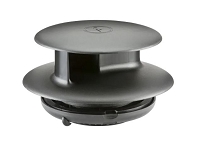
Holman Flettner roof ventilators are now available at Work Van Equipment, with Slimline, F3000, and TCX-2 options. Here is how to compare them and what to check before choosing one for your van.
Quick Answer: Does Your Work Van Need a Roof Vent?
A roof vent is worth considering when you want better cargo-area air exchange without adding an electric fan. A wind-powered Flettner uses airflow to drive extraction. Choose the model around your ventilation needs, roof profile, and rack clearance. Performance depends on available airflow; a ventilator does not provide air conditioning.
How Does a Flettner Roof Ventilator Work?
A Flettner is a rotary, wind-powered extractor. Air moving across the roof turns the outside rotor, which drives the extraction mechanism and draws air out of the cargo area.
That airflow can come from vehicle movement or a breeze while parked. The ventilator does not need an electrical motor, power wiring, or a connection to the van battery to operate.
While You Are Driving
Airflow over the vehicle powers the rotor. Extraction varies with airflow and the selected model rather than running at a fixed electric-fan speed.
While You Are Parked
The ventilator can operate when there is enough breeze. In still air, you should not expect the same active extraction as when the rotor is turning.
Which Holman Flettner Roof Vent Should You Choose?
Begin with your priorities: low overall height, general cargo ventilation, or a model intended for greater extraction demands. Then confirm the mounting arrangement.
| Model | Main Reason to Consider It | Fitment Priority |
|---|---|---|
| Slimline LPV | Low-profile design when roof height or rack clearance matters | Mounting surface and clearance above and around the rotor |
| F3000 | Updated rotary design for general vehicle ventilation | Standard or narrow base, roof profile, and rack clearance |
| TCX-2 | A model intended for larger vehicles or stronger extraction needs | Base selection, mounting space, and surrounding equipment |
These are starting points. Van size alone does not determine the right ventilator; roof construction and the complete airflow layout also matter.

Choose Slimline When Roof Clearance Matters
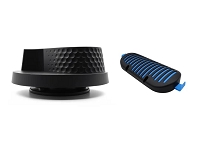
The Slimline LPV is designed for applications where a taller ventilator would be less practical. Flettner lists its height at 58 mm, approximately 2.3 inches.
That makes it worth considering when a roof rack or height restriction is part of your setup. Check the full installation area rather than height alone: the rotor also needs room around it.
If your van already has a rack, send our team the rack model and photos of the roof before ordering.
Consider F3000 for an Updated Rotary Ventilator
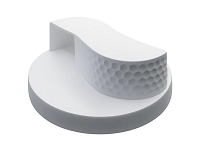
The F3000 features a dimpled rotor design developed to improve aerodynamic performance. Flettner reports at least a 20% improvement in extraction and airflow over the earlier F2000 model.
It is available in black or white, with standard- and narrow-base versions. Those base options help accommodate different roof profiles; they are not interchangeable choices to make without checking the mounting area.
Compare the installation instructions with your roof and any rack already fitted to the vehicle.

Consider TCX-2 for Greater Extraction Needs
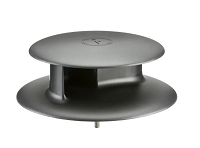
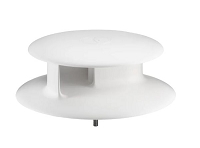
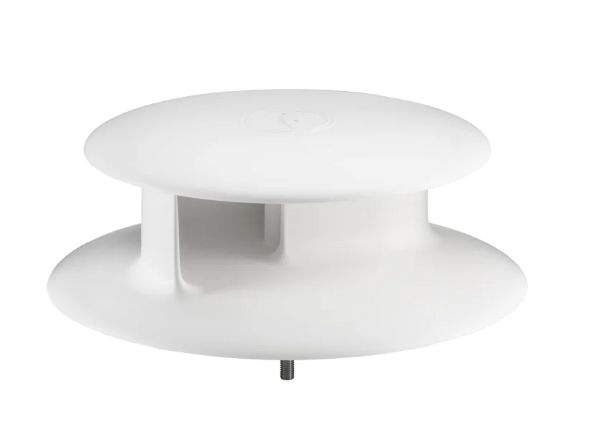
The TCX-2 is designed for powerful extraction and is positioned for larger vehicles or applications with greater ventilation demands.
Like the other wind-powered models, its performance depends on airflow. Choosing a higher-extraction model does not make it an electrically powered fan or guarantee a fixed ventilation rate while parked.
Review the available standard- and narrow-base options and confirm clearance around roof-mounted equipment.
Can a Roof Vent Help with Heat, Moisture, and Odors?
Air exchange can help move warm, humid, or stale air out of the cargo area. However, results depend on weather, airflow, the van layout, and the source of the moisture or odor.
| Concern | Where Ventilation May Help | What Else Matters |
|---|---|---|
| Warm cargo air | Extracting air when wind powers the rotor | Outside temperature, sunlight, and other heat sources |
| Moisture and condensation | Supporting air exchange that can carry moisture out | Drying wet gear and addressing water leaks |
| Stale air and odors | Helping exchange cargo-area air | Cleaning and removing the source of the odor |
| Temperature control | Providing ventilation | Air conditioning or refrigeration when controlled cooling is required |
If you transport chemicals, refrigerants, or other hazardous materials, follow their specific storage and transport requirements. A roof vent alone does not establish that the cargo area is safe or adequately ventilated for those materials.
Standard Base or Narrow Base: Why Does It Matter?
Many van roofs have raised ribs and flatter areas between them. The available flat mounting surface affects which ventilator base can be used.
For F3000 and TCX-2 models, compare the standard and narrow base against the roof dimensions and the instructions for that exact version. Slimline uses a different mounting design, so apply its own instructions rather than assuming the same placement.
Check the Outside
- Roof profile and usable mounting surface
- Rack bars and brackets
- Clearance with ladders or materials loaded
- Other roof accessories
Check the Inside
- Roof supports and installation access
- Headliner or cargo lining thickness
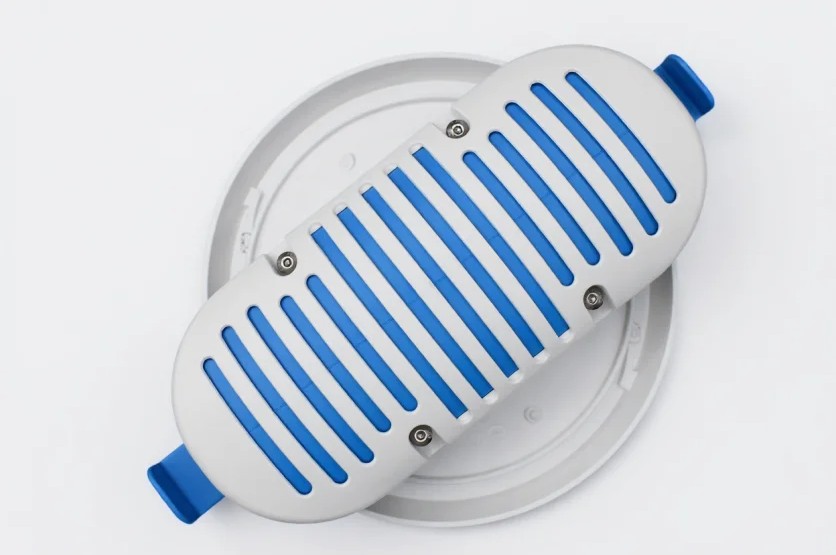
- Space for the internal shutter
- Any required model-specific adapter
Can You Install a Flettner with a Ladder Rack?
Sometimes, but clearance needs to be checked for the complete setup. A rack may leave space for the vent when empty and interfere once a ladder or other load is added.
Slimline is designed with low clearance in mind. But there is potential rack conflicts for F3000 and TCX-2 models.
Provide your van details, rack model, and roof photos before purchasing. Confirm the location against the ventilator instructions before any roof opening is made.
Frequently Asked Questions About Work Van Roof Vents
Select a question to see the answer.
Do Flettner roof ventilators need electricity?
No. These rotary ventilators use wind to drive extraction, so they do not need electrical power or motor wiring.
Does a Flettner work when the van is parked?
Yes, when there is enough breeze to turn the rotor. Active extraction depends on airflow, so performance in still air differs from performance while driving.
Will a roof vent cool my van like air conditioning?
No. A ventilator exchanges air; it does not refrigerate it or maintain a selected temperature. Consider your cooling needs separately from ventilation.
Can a roof vent stop condensation?
It may help by supporting moisture removal through air exchange, but it cannot guarantee that condensation stops. Wet cargo, leaks, weather, and temperature differences also matter.
Which Flettner is best for a van with a roof rack?
Slimline is a useful starting point when low clearance is the priority. Confirm its fit with your actual rack, mounting location, and loaded cargo.
Will a Holman Flettner fit my Transit, Sprinter, or ProMaster?
Fit depends on the roof profile, available mounting space, lining, and existing accessories. Do not select a base solely from the van model name.
Does installation require a hole in the roof?
Yes. Roof-mounted extraction requires an opening through the roof and the specified mounting and sealing work. Follow the instructions for the exact model.
Can I install a roof ventilator myself?
Review the instructions and required tools first. If you are unsure about roof construction, cutting, mounting, or sealing, arrange professional installation.
Are these ventilators available in black and white?
Yes. Work Van Equipment has black and white options across the Holman Slimline, F3000, and TCX-2 range. Check the selected listing for its base configuration.
Need Help Choosing a Holman Flettner Roof Vent?
Contact Work Van Equipment with your van’s year, make, model, roof configuration, and any installed rack. Roof photos and measurements can help our team review the options with you.
Call (800) 533-7722Tagged Products